
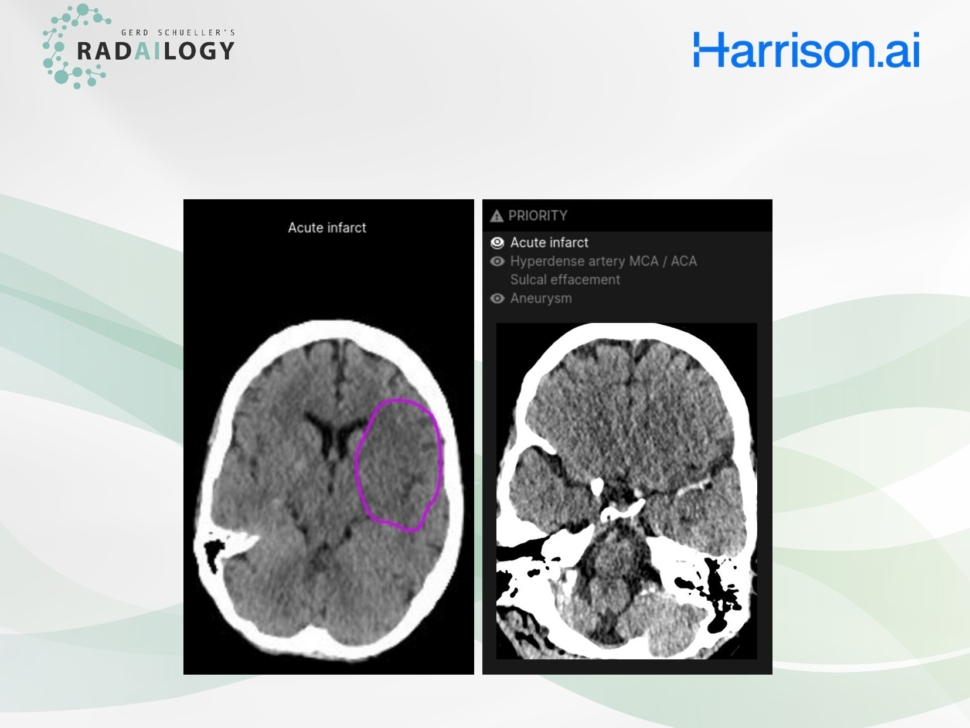
Cranial CT: 130 pathologies found quickly
Non-enhanced cranial CT of a 61-year-old patient with acute right-sided hemisymptoms. Harrison Brain CT detects acute left parietal ischemia (left) and acute thrombosis of the middle cerebral artery (right). The pathologies are listed in a table and ...
The Great Reality Check: Fractures of the arms and legs
The Great Reality Check Part 5: Acute fractures of the arms and legsRead the results of our new user studies – up-to-date and transparent!Purpose:The aim of the study was to prospectively assess the performance of a common AI assistant for fractures ...
The Great Reality Check: Acute abdominal organs
The Great Reality Check Part 4: Acute abdominal organsRead the results of our new user studies – up-to-date and transparent!Purpose:The aim of the study was to prospectively determine the performance of an AI assistant in acute abdominal organs, vali ...
The Great Reality Check: Urolithiasis
The Great Reality Check Part 3: UrolithiasisRead the results of our new user studies – up-to-date and transparent!Purpose:The aim of the study was to prospectively determine the performance of a common AI assistant in urolithiasis, validated with the ...
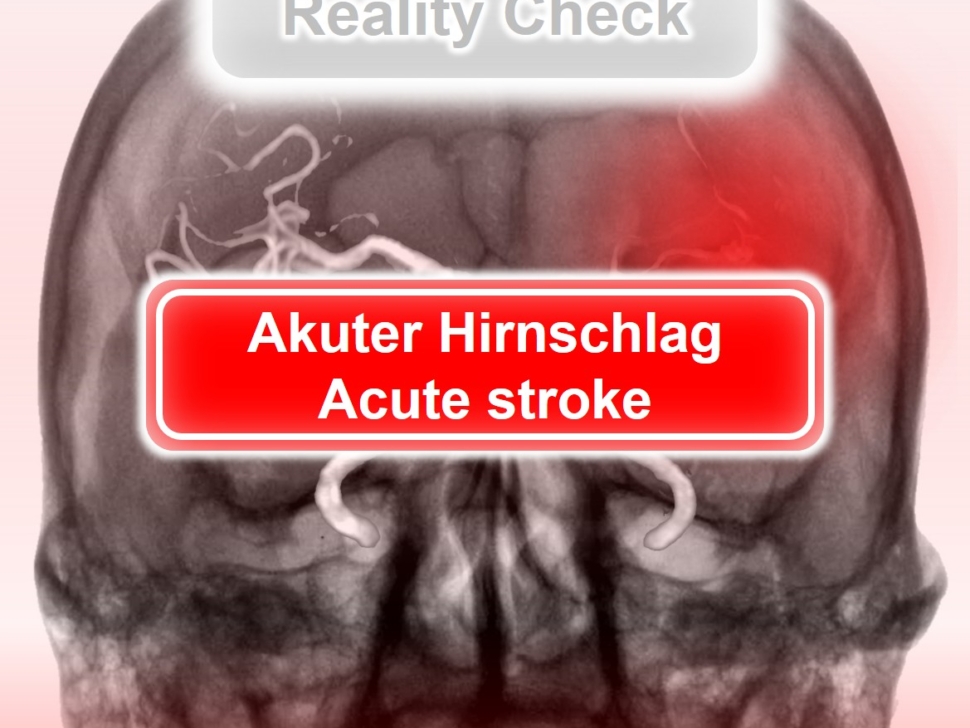
The Great Reality Check: Acute stroke
The Great Reality Check Part 2: Acute StrokeRead the results of our new user studies – up-to-date and transparent!Purpose:The aim of the study was to prospectively determine the performance of a common AI assistant in acute stroke, validated with the ...
The Great Reality Check: Acute cerebral hemorrhage
The Great Reality Check Part 1: Acute cerebral hemorrhageRead the results of our new user studies – up-to-date and transparent!Purpose: The aim of the study was to prospectively determine the performance of common AI assistants in acute cerebral hemo ...
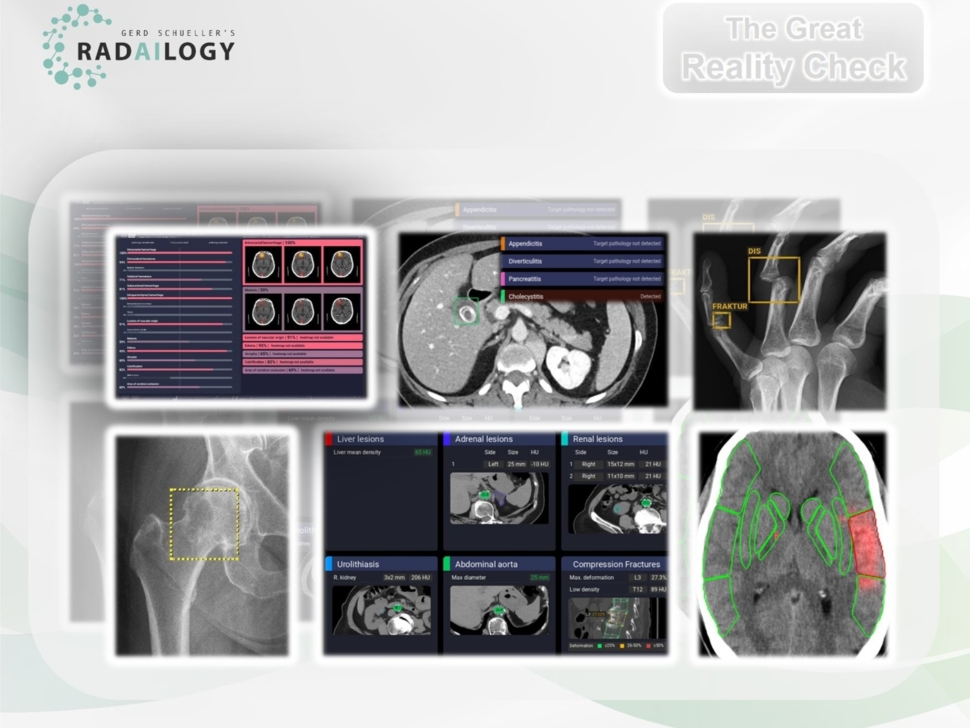
The Great Reality Check
March 2026: How suitable is Artificial Intelligence really in acute medicine?March 2026: How suitable is Artificial Intelligence really in acute medicine?Read the results of our extensive AI field test in time for ECR 2026. At Radailogy, we publish o ...
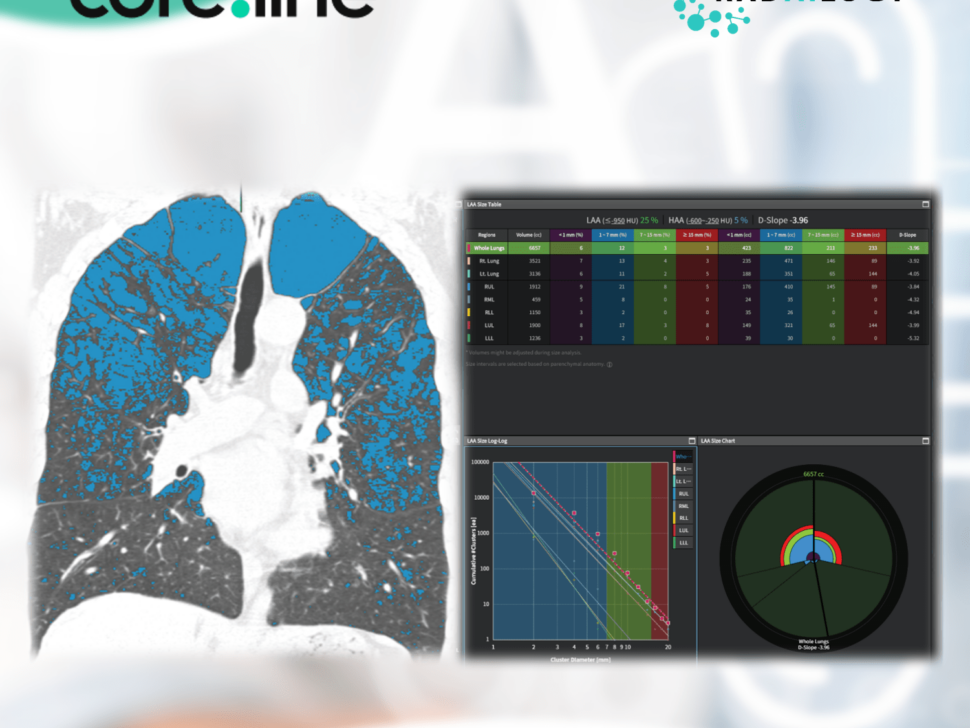
Smoking: Can you see anything in your lungs?
Non-enhanced low-dose chest CT of a patient with COPD. MPR visualization of lung anatomy and emphysema clusters (left) and detailed charts and graphs (right). The absolute volumina and the relative low attenuation volumina (25%) were given for both l ...