Radailogy | AI assistant Columbo

MRI of the lumbar spine: CoLumbo with new features

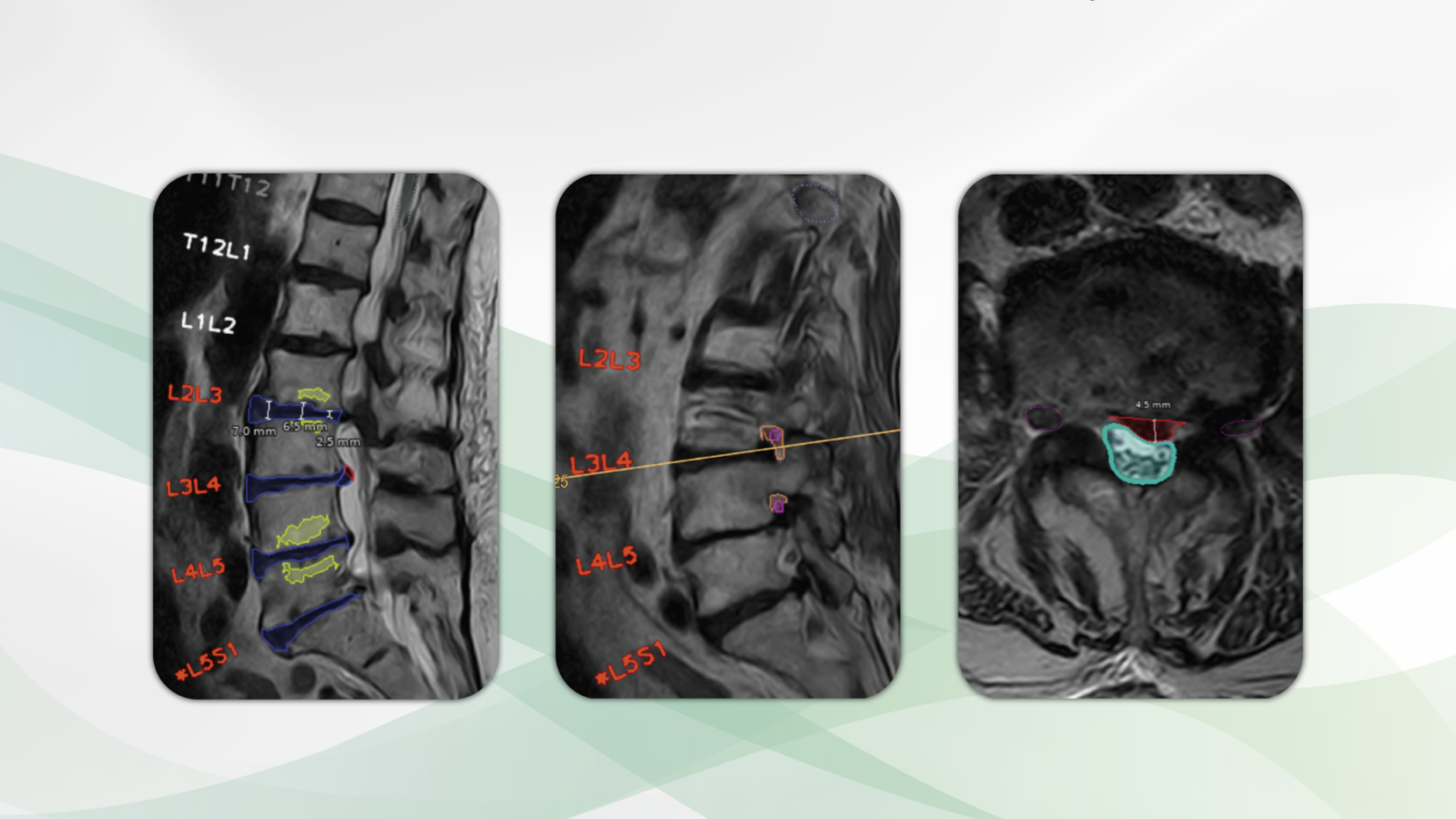
T2 sagittal (left and middle) and T2 axial (right) MRI of the lumbar spine of a patient with back pain, lower limb weakness and paresthesia. Marked disc bulging (blue) and spinal canal stenosis at the level L2/L3, moderate disc bulging and spinal canal stenosis at the levels Th1-L2 and L4-S1. Left paramedian disc herniation (red), dural sac impingement (light blue) and recessal displacement of the left L4 nerve root at the level L3/L4. Foraminal stenosis and compression of the left foraminal nerves L3 and L4 (pink) at the levels L3-L5. Osteochondrosis Modic Type II at the levels L2/L3 and L4/L5.

With CoLumbo we have an excellent AI assistant for the assessment of the MRI of the lumbar spine. The latest release, now available on Radailogy, brings with it a variety of additional features for high-quality reporting of this common radiological examination. In particular, the description of foraminal stenoses and foraminal nerve impingement as well as the detection of osteochondrotic pathologies according to Modic are important.

It is with great pleasure that we present CoLumbo, an AI assistant for MRI of the lumbar spine.

Why CoLumbo is important and how it works

CoLumbo saves time and increases accuracy in the detection of the most common pathologies of the lumbar spine.

Lumbar spine MRI findings are reported and visualized. It assists in the knowledge transfer from radiologists to both patients and clinicians. In addition, all findings are written in comprehensive, standardized reports and can be used as an integral, automatically filling part of final documents.

Who benefits

Patients, clinicians, and radiologists by more detailed and more accurate diagnosis with subsequent decreased likelihood of suboptimal therapy or surgery. Accurate automatic measurements and clear colorful depiction reduce the need for measuring MRI findings by hand.

Our own experience at Radailogy

The AI ​​assistant supports the detection of disc herniation, disc bulging, central spinal canal stenosis, foraminal stenosis, nerve root impingement, reduced vertebral and disc height, hypo- and hyperlordosis, spondylolisthesis and pseudolisthesis as well as osteochondrotic pathologies according to Modic.

The scientific evidence

CoLumbo´s performance has been tested in clinical research with excellent results in accuracy for intervertebral disc detection and labeling (100%), for the detection of disc herniation (87%; 95% CI: 0.84, 0.89), extrusion (86%; 95% CI: 0.84, 0.89), bulging (76%; 95% CI: 0.73, 0.78), spinal canal stenosis (98%; 95% CI: 0.97, 0.99), nerve root compression (91%; 95% CI: 0.89, 0.92), and spondylolisthesis (87.61%; 95% CI: 85.26, 89.21), respectively.

Lehnen NC, Haase R, JFaber J, Rüber T, Vatter H, Radbruch A, Schmee FC. Detection of Degenerative Changes on MR Images of the Lumbar Spine with a Convolutional Neural Network: A Feasibility Study. Diagnostics 2021; 19;11(5):902

Data to upload to Radailogy

1.0-3.0 Tesla, T2 axial and sagittal 2D and 3D, slice thickness 3.45-5 mm
Radailogy | AI assistant RayscapeLungCT

Oncological lung CT: Common, important and always time-consuming

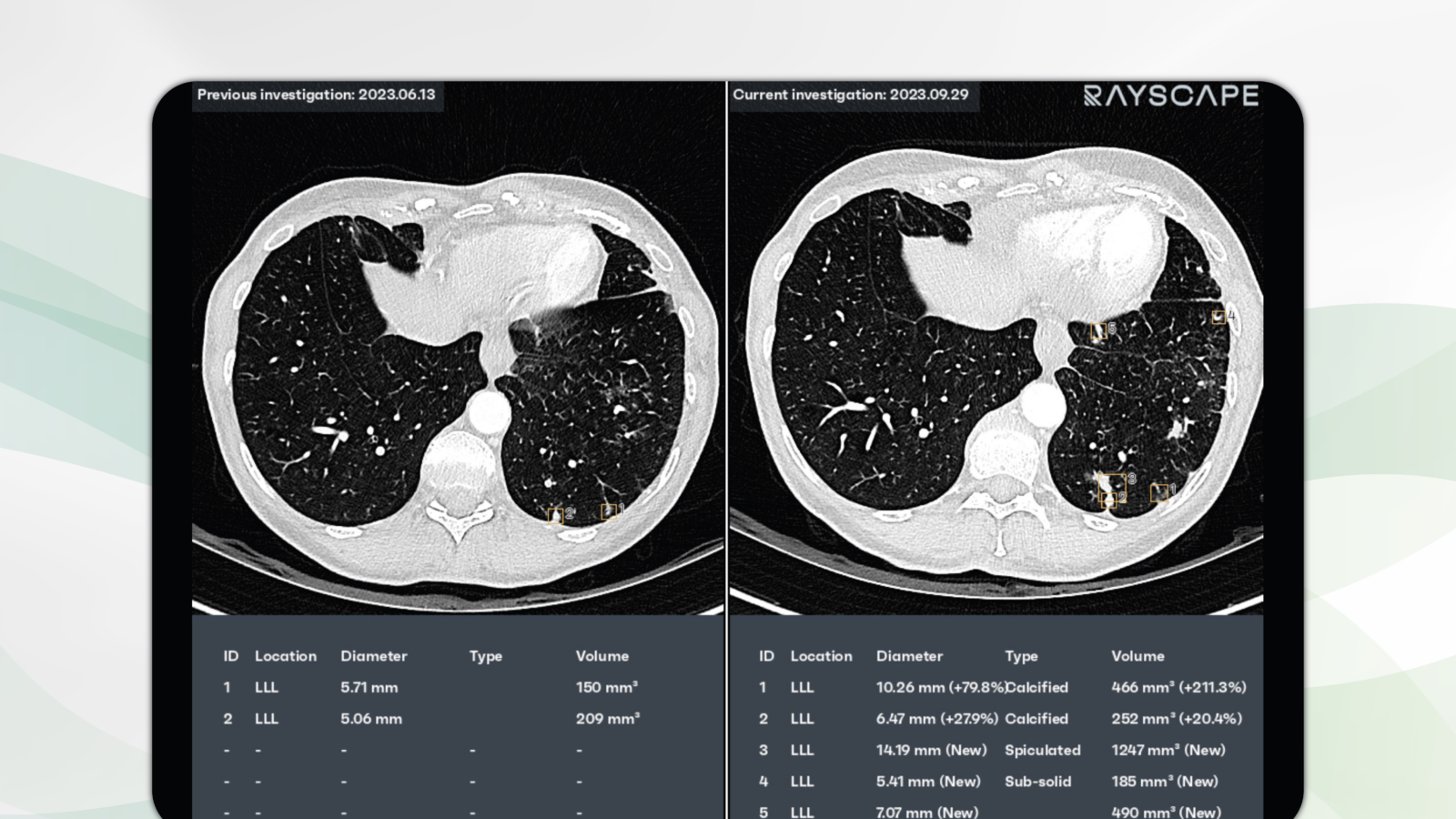
Chest CT of a patient with a history of colorectal cancer. In the preliminary study dated June 13, 2023, two pulmonary nodules were visible in the left lower lobe (left). Rayscape Lung CT indicates the diameter and volume of each mass. In the follow-up CT dated September 29, 2023, these nodules progressed by 79.8% and 27.9%, respectively, in diameter and by 211.3% and 20.4%, respectively, in volume. In addition, three new nodules can be found in the lower lobe plane shown. Rayscape Lung CT marks these three lesions as new and indicates their diameter, volume and morphology (right).

Lung nodules occur in more than two million people per year in Europe alone. At the same time, the mortality rate from lung cancer worldwide is around two million annually. Their increase is expected to be around 30% in 10-year intervals. These few numbers alone illustrate the high level of responsibility that radiologists bear when interpreting computed tomography of the thorax. And the time-consuming nature of this task is particularly noticable when it comes to assessing lung nodules in each individual patient using their comparative studies.

It is with great pleasure that we present Rayscape Lung CT, an AI assistant for the detection of pulmonary nodules in CT studies.

Why Rayscape Lung CT matters and how it works

Rayscape Lung CT identifies pulmonary nodules from 3 to 30 mm in diameter. An important function is the automated comparison of nodules in the follow-up from CT study to CT study.

The results are reported in tabular form and visualized within the CT images. Each individual nodule is described with its exact location, diameter, volume and especially its morphology. These clear reports are an essential support for the transfer of knowledge from radiologists to patients and clinicians. Rayscape Lung CT can be used both for individual patients and in full-scale oncology departments.

Who benefits

Patients, clinicians and radiologists by the reliable detection of pulmonary nodules with clear reports in tables and images. In both screening and therapeutic oncology settings, the AI ​​assistant with its precise analysis enables timely and individual treatment.

Our own experience at Radailogy

Rayscape Lung CT has high values ​​for PPV, NPV and sensitivity of more than 97% each in our own patient population. At Radailogy, sensitivity in the correct detection of pulmonary nodules is over 93%. Nodules are precisely located and described using the parameters diameter, volume and morphology. If requested, up to three CT studies are compared in the follow-up setting. New nodules are reported as such. In particular, the automated comparison in follow-up lung CTs saves us an amazing amount of time for each individual patient every day and provides us with the desired additional security in the completeness of our findings.

Rayscape Lung CT performs a risk analysis for each study based on the established Fleischer criteria. We recognize this addition as useful, but we have not often used it in daily practice when discussing findings with clinicians and patients.

As described, the AI ​​assistant detects lung nodules with high reliability. We found that primary tumors larger than 30 mm in diameter are not described in detail in the oncological follow-up. However, this is not the goal of the software formulated by the manufacturer.

The scientific evidence

Tenescu A, Bercean BA, Avramescu C, Marcu M. Averaging Model Weights Boosts Automated Lung Nodule Detection on Computed Tomography. 13th International Conference on Bioscience, Biochemistry and Bioinformatics. 2023 ISBN 978-1-4503-9819-0.

Benta MM, Rasadean C, Ardelean PG, Barbulescu I, Birhala A, Bercean B, Avramescu C, Tenescu A, Birsasteanu F. Artificial intelligence in computed tomography – lung nodule analysis algorithm. ECR 2022 DOI 10.26044/ecr2022/C-17388.

Data to upload to Radailogy

Native or contrast enhanced CT studies of the chest of any CT scanner age and vendor; axial reformations; maximal slice thickness 3 mm; lung reconstruction kernel; patient age at least 16 years

Radailogy

Radailogy: Simply intelligent. Experience our AI live from A to Z on December 1, 2023!

We invite you on an exciting journey into the world of medical AI! Have your radiological exams reviewed by the world’s best AI!

Why Radailogy makes a difference

On our online platform www.radailogy.com we offer you the leading AI assistants for your daily use. We put every software through its paces before releasing it to medical professionals worldwide. Visit our online platform and find out which AI assistant is interesting for your medical specialization: https://www.radailogy.com/de/ai-partner/

What Radailogy costs

With Radailogy you are not contractually bound to any AI company. You simply and securely send us your radiological studies and the choice is yours!

Pure AI

You receive the AI results for your studies quickly and transparently, from € 8

Combained

Our radiology specialists, who have been intensively trained in AI, select the appropriate AI for your examination and integrate the AI result into our specialist report, from €23

Defained

Our radiologists use the AI you require and integrate the AI result into our specialist medical report, from € 23

How Radailogy works

We warmly invite you to our kick-off event on December 1, 2023 at 7:00 p.m.! We guide you live from A to Z through the world of our AI!

Visit us in person at our headquarters in Baar, Switzerland or take part in our live presentation via video conference!

Register now!

office@radailogy.com

Tel +41 41 763 33 10

We look forward to welcoming you to Radailogy soon!

Radailogy

Creative Think Tank: Our New Radailogy Headquarters!

We have found our new home: Blegistrasse 3, CH-6340 Baar

Please contact us on our new phone number +41 41 763 33 10

Save the Date! We cordially invite you to our kick-off event on December 1, 2023 at 7:00 pm!

Share our vision at Radailogy, experience our performance up close, get to know our team and enjoy an evening of cutting-edge presentations about Artificial Intelligence in medicine with us!

Secure your ticket now at

office@radailogy.com

Central

It couldn’t be more central: Our new location is in the heart of Central Switzerland. With the direct motorway connection in front of the door, you can reach us from Zurich Airport in less than 30 minutes.

Spacious

More work space in an unparalleled elegant and relaxed atmosphere. We have also set up our brand new TV studio. From September 2023 we will be going live with weekly broadcasts.

We will also professionally stream video conferences from here.

Individual

Our employees and guests will find a huge selection of open space rooms, conference rooms and lounges. This is how you experience and enjoy our spirit at Radailogy!

We look forward to starting a trusting and successful future with you!

Your team at Radailogy!

Radailogy

Triaging acute strokes: Emergency radiology gets AI support

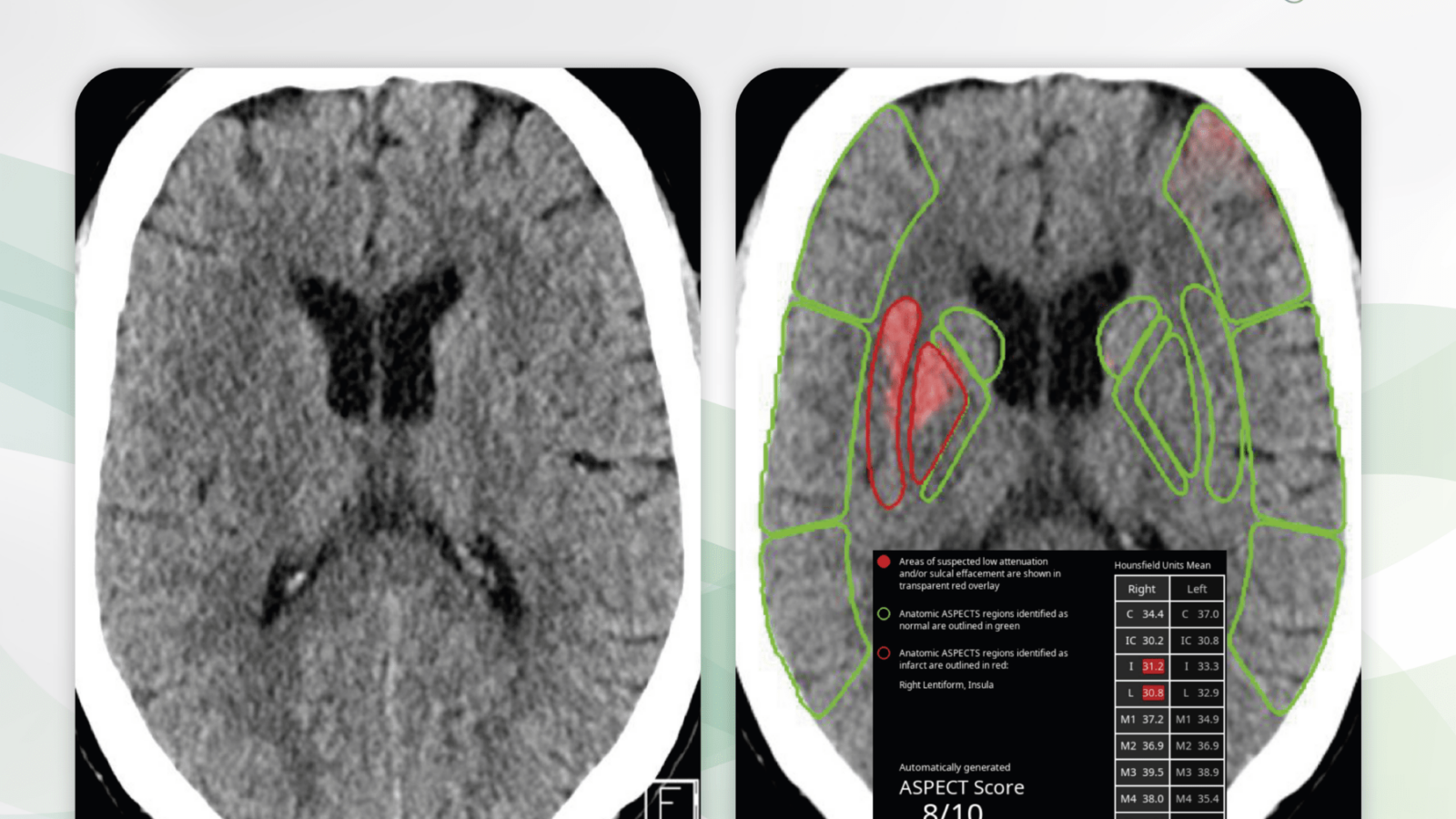
Non-enhanced cerebral CT of a 47-year-old patient with acute left sided paresthesia about 4 hours before the examination. Slightly low attenuation of the right lentiform nucleus and the right insular cortex is particularly visible when comparing the sides. No intracranial hemorrhage is visible (links). CINA-ASPECTS identifies the hypodensities and correctly assigns them to the lenticulostriatal territory (right, red). In addition, the results are tabulated, the ASPECTS is calculated as 8/10.

Time is Health: Our motto is particularly understandable when it comes to acute ischemic strokes. Every medical acute care unit knows what it means to accompany a large number of patients around the clock with the best diagnostic precision. Intracranial acute pathologies must be visualized quickly and safely.

It is with great pleasure that we present CINA-ASPECTS, an AI assistant for the detection of acute intracranial ischemia in CT studies.

Why CINA-ASPECTS matters abd how it works

CINA-ASPECTS was developed as a triage tool for emergency radiology. The AI assistant immediately reports suspected acute intracranial ischemia in CT studies and enables the prioritization of these patients. The AI assistant provides radiologists and emergency physicians with an outstanding presentation of the findings in words and images.

Any medical professional can use CINE-ASPECTS for each individual emergency patient by quickly and easily uploading cerebral CT studies to Radailogy. In medical institutions, this AI assistant can also do its work automatically in the background in order to fully exploit the desired triage potential.

Who benefits

The triage of acute ischemic strokes is essential for everyone involved, i.e., patients, clinicians and radiologists.

Our own experience at Radailogy

We were able to reproduce the statistical data of sensitivity of 76.6%, specificity of 88.7% and of accuracy of 87.0% given by the developer in our tests and partly worked out higher data for accuracy.

CINA-ASPECTS detects low attenuation of the supratentorial tissue and sulcal corticomedullar disorders. The eponymous topographical ASPECTS is used for the analysis: the supratentorial tissue is divided into ten regions of the middle cerebral artery supply per hemisphere to describe ischemia in one of the two hemispheres. The suspected pathological areas are marked in color and listed in a table with information on the mean density values ​​per region. From this, the ASPECTS for both hemispheres is calculated and given.

The developer cites as a limitation that older infarctions would not be correctly identified and describes the use of CINA-ASPECTS within 100 minutes of the clinical event as an essential inclusion criteria.

CINA-ASPECTS does not currently support the detection of posterior circulation ischemia (pc-ASPECTS). We expect this with the next upgrade.

We also evaluated CINA-ASPECTS together with two other AI assistants, CINA-ICH and CINA-LVO, which were developed to detect hemorrhagic and non-hemorrhagic strokes in CT studies. Find out more in our AI assistants!

The scientific evidence

Ayobi A, Chang P, Chow D, Filippi C, Quenet S, Tassy M, Chaibi Y. Validation of a Deep Learning AI-based Software for Automated ASPECTS Assessment. ECR 2023. DOI:           10.26044/ecr2023/C-19206

Data to upload to Radailogy

Non-enhanced cerebral CT studies of any CT scanner; axial reformations; minimal matrix size 256 x 256; maximal slice thickness 2.5 mm; tube current 100 kVp to 160 kVp (recommended 120 kVp to 140 kVp); soft tissue reconstruction kernel

AvicennaIvo

Cerebral artery occlusion: Emergency radiology gets AI support

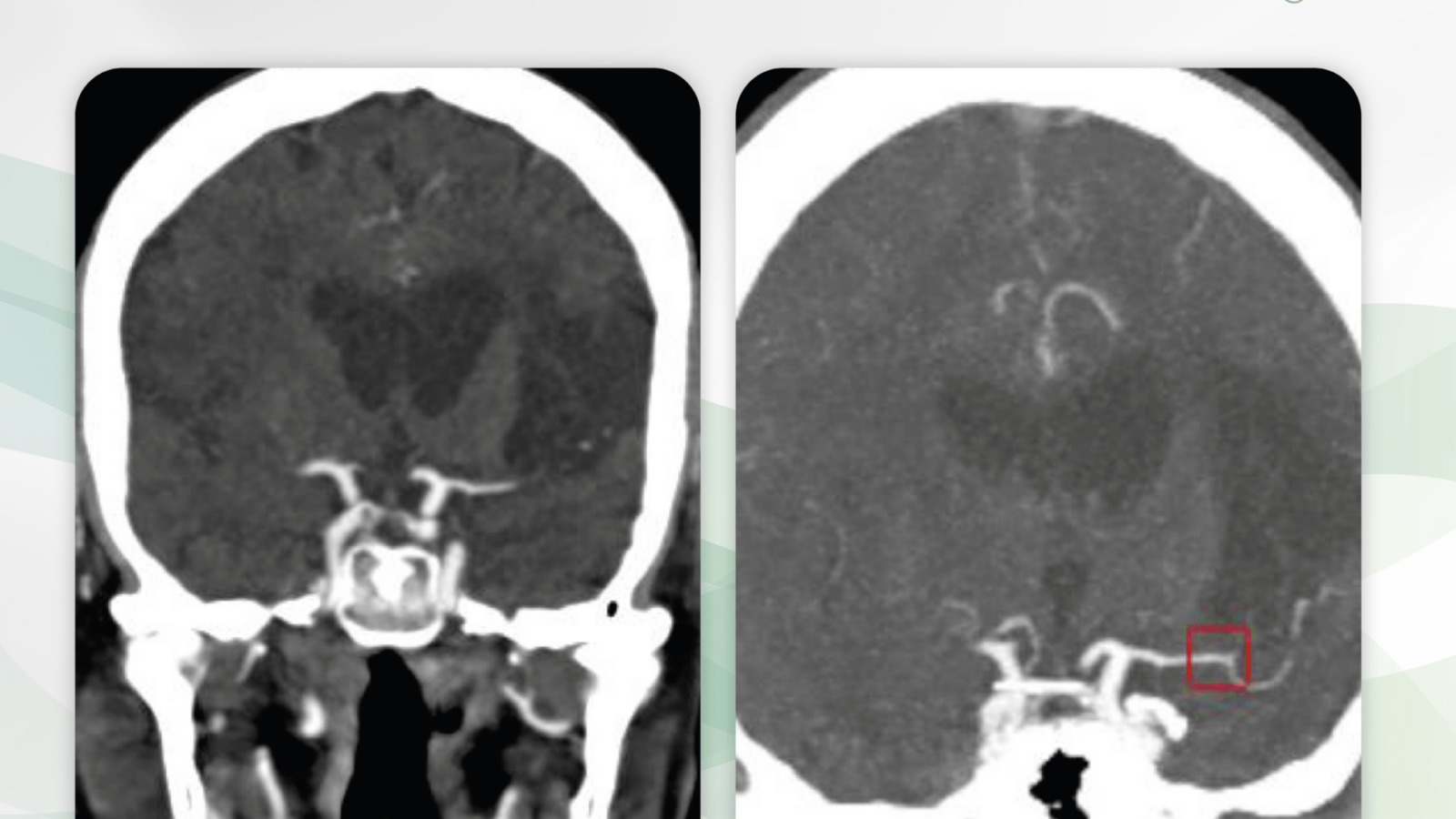
CT angiography of the skull base arteries in a 68-year-old patient with worsening right sided paresthesia. In the coronal reformation, a contrast loss of the M2 segment of the left middle cerebral artery is be seen. Peripherally adjacent there is a large older ischemic defect (left). CINA-LVO correctly detects the artery occlusion (right, red box).

Time is Health: Our motto is particularly understandable when it comes to acute ischemic strokes. In about 80% they are caused by intracranial arterial thrombi. Rapid diagnosis using CT angiography is therefore essential.

It is with great pleasure that we present CINA-LVO, an AI assistant for the detection of intracranial artery occlusion in CT angiographies.

Why CINA-LVO matters and how it works

As a triage tool for emergency radiology, CINA-LVO reports suspected acute cerebral artery occlusions in CT angiographies and enables these patients to be prioritized. The AI assistant provides radiologists and emergency physicians with clear pictures.

Any medical professional can use CINA-LVO for each individual emergency patient by quickly and easily uploading CT angiographies of the skull base arteries to Radailogy. In medical institutions, this AI assistant can also do its work automatically in the background in order to fully benefit from its triage potential.

Who benefits

The triage of arterial ischemic strokes is essential for everyone involved, i.e., patients, clinicians and radiologists.

Our own experience at Radailogy

CINA-LVO (Large vessel occlusion) detects occlusions of the distal intracranial internal carotid artery and the M1 and M2 segments of the middle cerebral artery in CT angiographies of the skull base arteries. The suspected arteries are indicated in axial and coronal MIPs.

We were able to understand most of the statistical data given by the developer for sensitivity of 97.9%, specificity of 97.6% and accuracy of 97.7%. This correlates with the developer’s statement that occlusions less than 1.5mm are not recognized.

It is reasonable to use CINA-LVO together with CINA-ICH and CINA-ASPECTS, which were developed to detect hemorrhagic and non-hemorrhagic strokes in CT studies. Find out more in our AI assistants!

The scientific evidence

McLouth J, Elstrott S, Chaibi Y, Quenet S, Chang PD, Chow DS, Soun JE. Validation of a Deep Learning Tool in the Detection of Intracranial Hemorrhage and Large Vessel Occlusion. Front Neurol. 2021 Apr 29;12:656112.

Rava RA, Peterson BA, Seymour SE, Snyder KV, Mokin M, Waqas M, Hoi Y, Davies JM, Levy EI, Siddiqui AH, Ionita CN. Validation of an artificial intelligence driven large vessel occlusion detection algorithm for acute ischemic stroke patients. Neuroradiol J. 2021 Oct;34(5):408-417.

Schlossman J, Ro D, Salehi S, Chow D, Yu W, Chang PD, Soun JE. Headto head comparison of commercial artificial intelligence solutions for detection of large vessel occlusion at a comprehensive stroke center. Front Neurol. 2022 Oct 10;13:1026609.

Data to upload to Radailogy

CT angiographies of the skull base arteries of any CT scanner; axial reformations; minimal matrix size 512 x 512; maximal slice thickness 1.25 mm; tube current 80 kVp to 140 kVp (recommended 120 kVp to 140 kVp); 100 to 400 mAs; artery reconstruction kernel

AvicennaIPE

Acute pulmonary embolism: Emergency radiology gets AI support

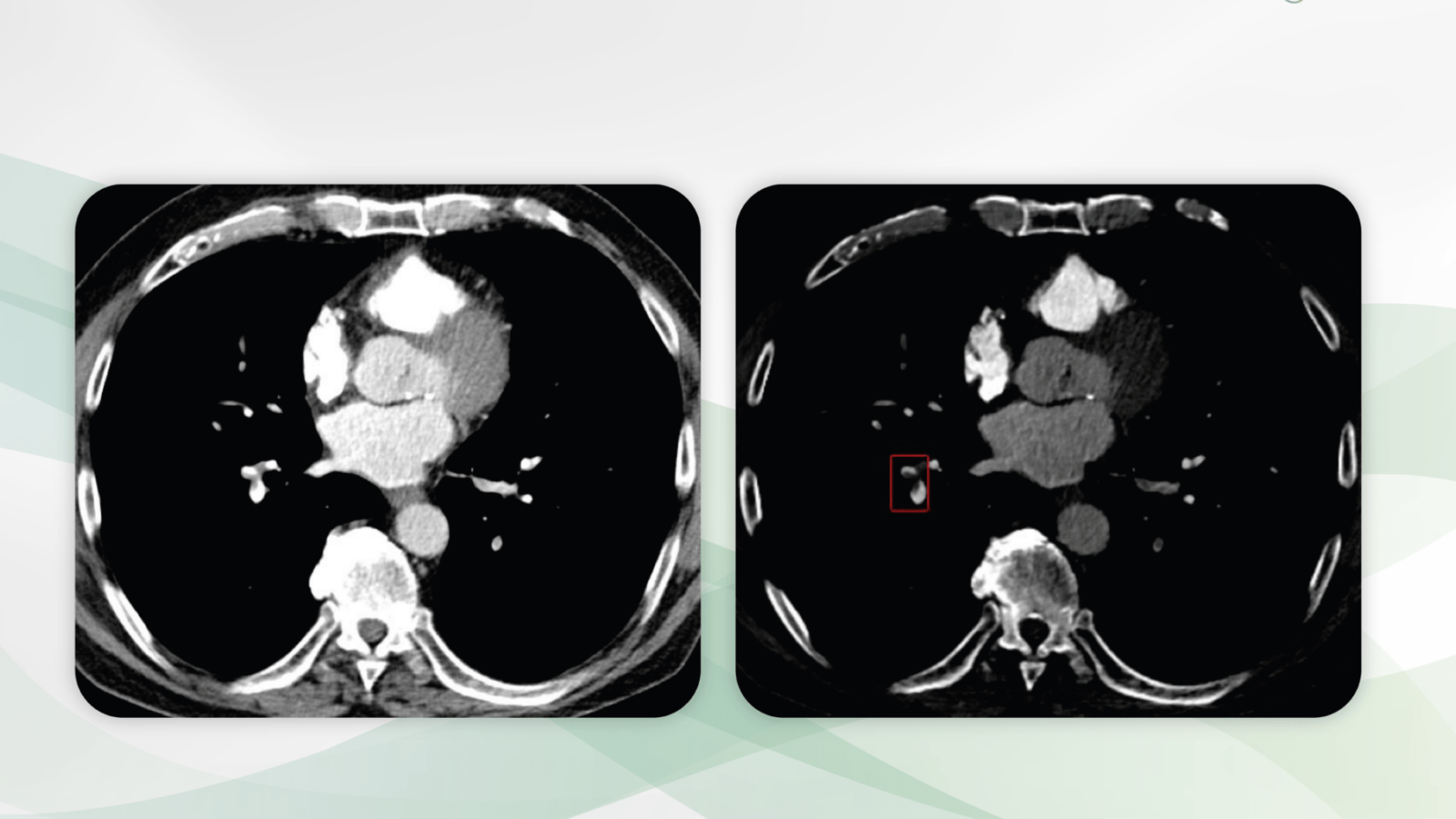
CT angiography of the pulmonary arteries of a 58-year-old patient with acute respiratory distress and right-sided chest pain (left). There is a slight contrast sparing in the peripheral branching of the right lower lobe artery, affecting the lateral and dorsal segments. CINA-IPE correctly detects the embolization (right, red box).

Time is Health: Our motto is particularly understandable when it comes to acute pulmonary embolism. Diagnosis with CT angiography of the pulmonary arteries is therefore urgent. The automated early detection of positive findings helps every medical acute care unit that knows what it means to take care of a large number of patients around the clock.

It is with great pleasure that we present CINA-IPE, an AI assistant for the detection of acute pulmonary artery embolism in CT angiographies.

Why CINA-IPE matters and how it works 

As a triage tool for emergency radiology, CINA-IPE reports suspected thrombosis of the pulmonary arteries in CT angiographies and enables these patients to be prioritized. The AI assistant provides radiologists and emergency physicians with a clear visual presentation of findings.

Any medical professional can use CINA-IPE for each individual emergency patient by quickly and easily uploading CT angiographies of the pulmonary arteries to Radailogy. In medical institutions, this AI assistant can also do its work automatically in the background in order to fully benefit from its triage potential.

Who benefits

The triage of acute pulmonary embolism is essential for everyone involved, i.e., patients, clinicians and radiologists.

Our own experience at Radailogy

CINA-IPE detects emboli of the central and paracentral pulmonary arteries with excellent certainty. The suspected arteries are labeled in axial MIPs.

We were able to confirm the statistical data given by the developer of sensitivity of 86.6%, specificity of 92.7% and accuracy of 90.0% in our clinical tests. We recognized uncertainties in the detection of peripheral thrombosis. This correlates with the developer’s statement that subsegmental artery emboli are not detected.

The scientific evidence

Grenier PA, Ayobi A, Quenet S, Tassy M, Marx M, Chow DS, Weinberg BD, Chang PD, Chaibi Y. Deep Learning-Based Algorithm for Automatic Detection of Pulmonary Embolism in Chest CT Angiograms. Diagnostics. 2023;13(7), 1324

Schlossman J, Salehi S, Weinberg B, Chow D, Tassy M, Quenet S, Ayobi A, Chaibi Y, Chang P. Validation of a Deep Learning Tool for Automatic Pulmonary Embolism Detection. Am J Respir Crit Care Med. 2023;207:A2607

Data to upload to Radailogy

CT angiographies of the pulmonary arteries of any CT scanner; axial reformations; minimal matrix size 512 x 512; maximal slice thickness 2.5 mm; contrast enhancement of the central pulmonary arteries minimum 100 HU (recommended minimum 130 HU); soft tissue reconstruction kernel

AvicennaICH

Acute cerebral hemorrhage: Emergency Radiology gets AI support

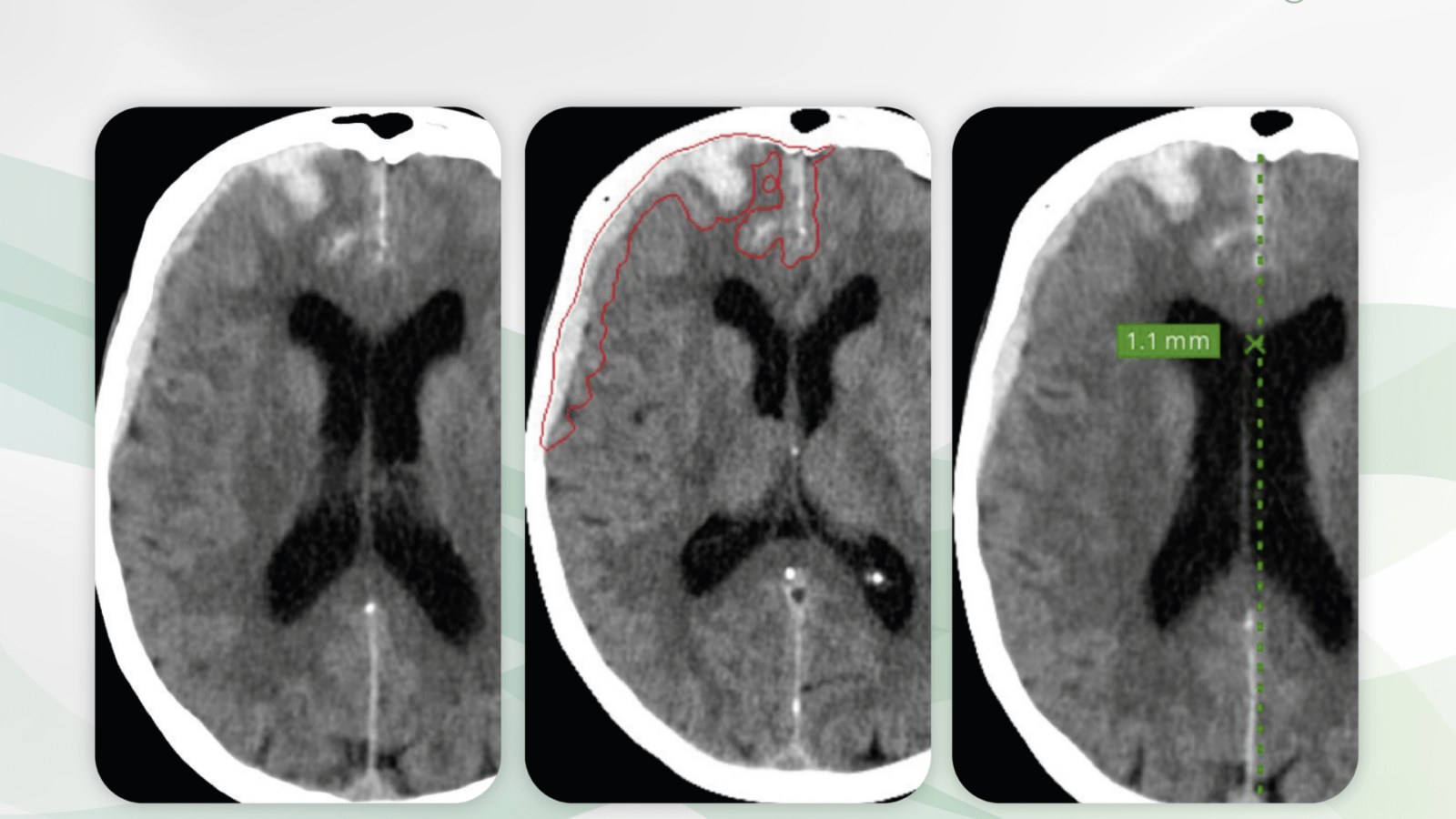
Non-enhanced cerebral CT of a 46-year-old patient after high-speed trauma. There is an acute subdural hemorrhage along the right frontal and parietal hemisphere (left). In particular, it is frontally surrounded by incipient edema and a slight contralateral midline shift can be seen. There is no intraventricular hemorrhage. There is no evidence of a parafalcine herniation.

CINA-ICH correctly and fully detects intracranial hemorrhage (middle). Bleeding volume is reported within the CT series and also tabulated (not shown). The slight contralateral midline shift is precisely measured (right).

Time is Health: Our motto is particularly understandable when it comes to head injuries and strokes. Every medical acute care unit knows what it means to accompany a large number of patients around the clock with the best diagnostic precision. Intracranial acute pathologies must be visualized quickly and safely.

It is with great pleasure that we present CINA-ICH, an AI assistant for intracranial hemorrhage detection in CT studies.

Why CINA-ICH matters and how it works

CINA-ICH was developed as a triage tool for emergency radiology. The AI assistant promptly reports suspected intracranial hemorrhages in CT scans and enables prioritization of these patients. The AI assistant provides radiologists and emergency physicians with an outstanding presentation of the findings in words and images.

Any medical professional can use CINA-ICH for each individual emergency patient by quickly and easily uploading cerebral CT studies to Radailogy. In medical institutions, this AI assistant can also do its work automatically in the background in order to fully benefit from its triage potential.

Who benefits

The triage of traumatic brain injury and hemorrhagic stroke is essential for everyone involved, i.e., patients, clinicians and radiologists.

Our own experience at Radailogy

We were able to study the performance of CINA-ICH in detail in extensive test series. On the one hand, we were convinced by the quick and clear presentation of findings and, on the other hand, by the low false-negative and false-positive rates in the detection of intracranial bleeding. This is consistent with the statistical data provided by the developer of sensitivity and specificity of more than 90% each, measured on the total cohorts.

The results are reported in detail. Bleeding is plotted in axial CT volumes. In addition, the data are processed in tabular form and include the parenchymal, sub- and epidural, subarachnoid and intraventricular bleeding volumes. Furthermore, midline shifts are measured.

The manufacturer describes the smallest bleeding with a volume of less than 3 ml and non-acute haemorrhage as a possible false-negative detection. At Radailogy, we have not observed any missed bleeding in our clinical testing.

We also evaluated CINA-ICH together with two other AI assistants, CINA-ASPECTS and CINA-LVO, which were developed to detect non-hemorrhagic strokes in CT studies. Find out more in our AI assistants!

The scientific evidence

McLouth J, Elstrott S, Chaibi Y, Quenet S, Chang PD, Chow DS, Soun JE. Validation of a Deep Learning Tool in the Detection of Intracranial Hemorrhage and Large Vessel Occlusion. Front Neurol. 2021 Apr 29;12:656112.

Rava RA, Seymour SE, LaQue ME, Peterson BA, Snyder KV, Mokin M, Waqas M, Hoi Y, Davies JM, Levy EI, Siddiqui AH, Ionita CN. Assessment of an Artificial Intelligence Algorithm for Detection of Intracranial Hemorrhage. World Neurosurg. 2021 Jun;150:e2 09 e217.

Data to upload to Radailogy

Non-enhanced cerebral CT studies of any CT scanner; axial reformations; minimal matrix size 256 x 256; maximal slice thickness 5 mm; tube current 100 kVp to 160 kVp (recommended 120 kVp to 140 kVp); soft tissue reconstruction kernel

Radailogy BoneviewTrauma

Automated measurement of body axes on X-ray images

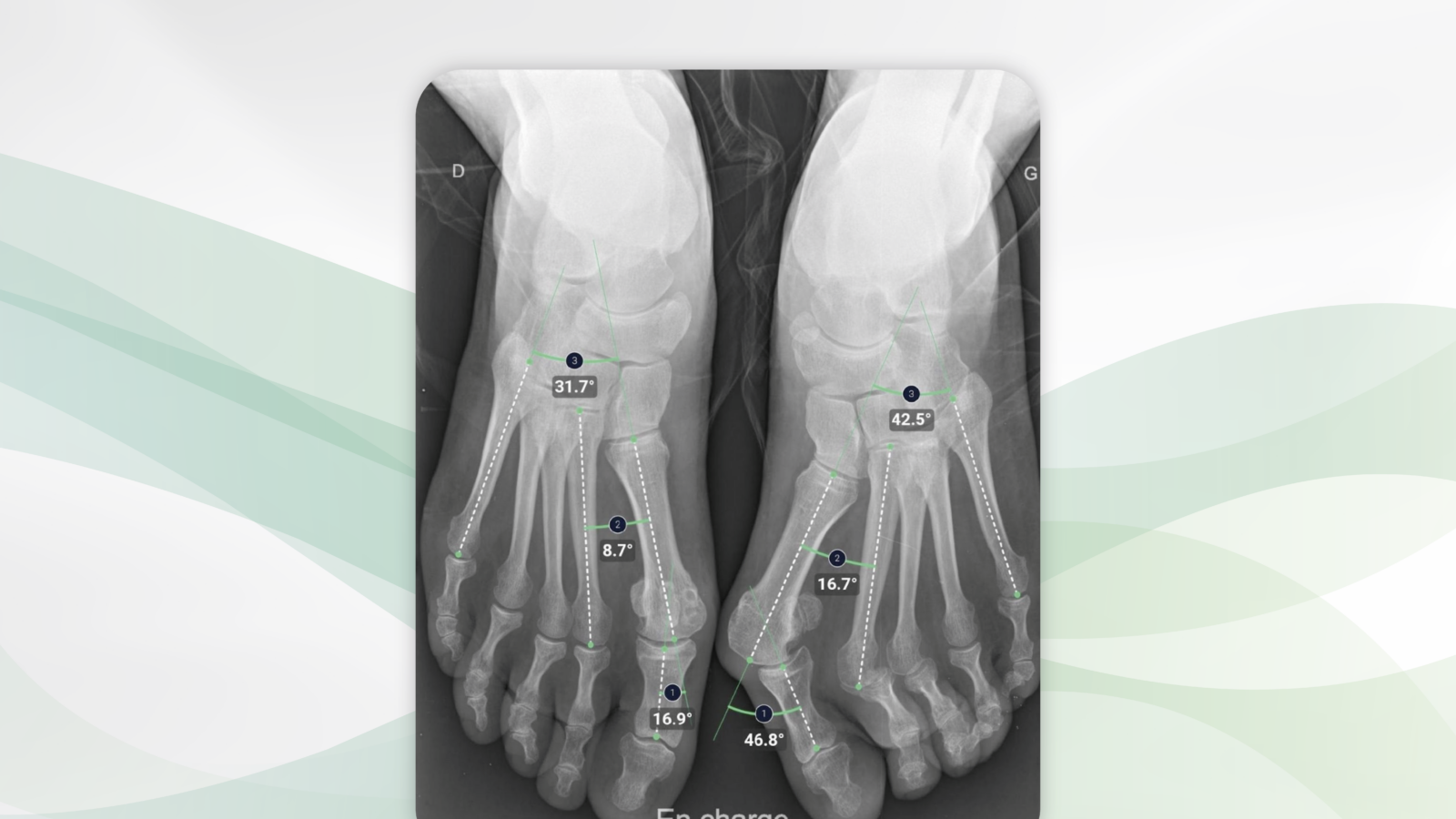
Frontal radiography of both forefeet of a 44-year-old patient. On the left (on the right in the picture) there is a clear hallux valgus deformity with an increase in the MTP joint angle I and the interdigital angle I/II. There is a mild secondary arthrosis of MTP joint I. There is moderate arthrosis in MTP joint II. Along the Lisfranc’s and the Chopart’s joints, there is a normal finding, apart from a small external tibial bone as a normal variant.

On the right (left in the picture) there is a normal finding of the forefoot, apparently subsequently to the osteomy of the first metatarsal bone.

BoneView Measurments enables the precise calculation of the joint angles and supports the radiological diagnosis with the angle measurements drawn in.

The measurement of body axes is one of the indispensable domains of radiology. At the same time, it places high demands on the precise description of the measured values ​​and thus on the available working time of radiologists.

It is with great pleasure that we present BoneView Measurements, an AI assistant for the automated measurement of body axes on X-ray images.

Why BoneView Measurments matters and how it works

BoneView Measurements is a fully automated AI assistant for measuring body axes. Its application minimizes the variability of the measurement results and ensures reproducibility. The AI assistant facilitates the interpretation of the findings thanks to its easy-to-read display.

Who benefits

Patients, clinicians and radiologists through the detailed measurement of body axes on X-ray images. BoneView Measurements can also be safely and easily integrated into the daily workflow.

Our own experience at Radailogy

The measurements work great for the spine, pelvis, hips, full leg scans and forefoot.

Any medical professional can request the measurement of body axes for each individual patient through the quick and easy upload to Radailogy. Our customers in telemedicine also use BoneView Measurements as a standard in daily practice to optimize their workflow.

The scientific evidence

Lassalle L, Regnard NE, Ventre J, Marty V, Clovis L, Zhang Z, Guermazi A, Laredo JD. Automated feet measurements using an artificial intelligence-based software. In press

Lassalle L, Regnard NE, Ventre J, Marty V, Clovis L, Zhang Z, Guermazi A, Laredo JD. Automated full-leg measurements using an artificial intelligence-based software. In press

Lassalle L, Regnard NE, Tran A, Ventre J, Marty V, Clovis L, Zhang Z, Guermazi A, Laredo JD. Automated hip measurements using an artificial intelligence-based software. In press

Data to upload to Radailogy

Digital radiography of the spine, pelvis, hips, full leg radiographs and forefoot from the age of three, depending on the anatomical region

Radailogy Bone age

AI for accurate bone age diagnosis

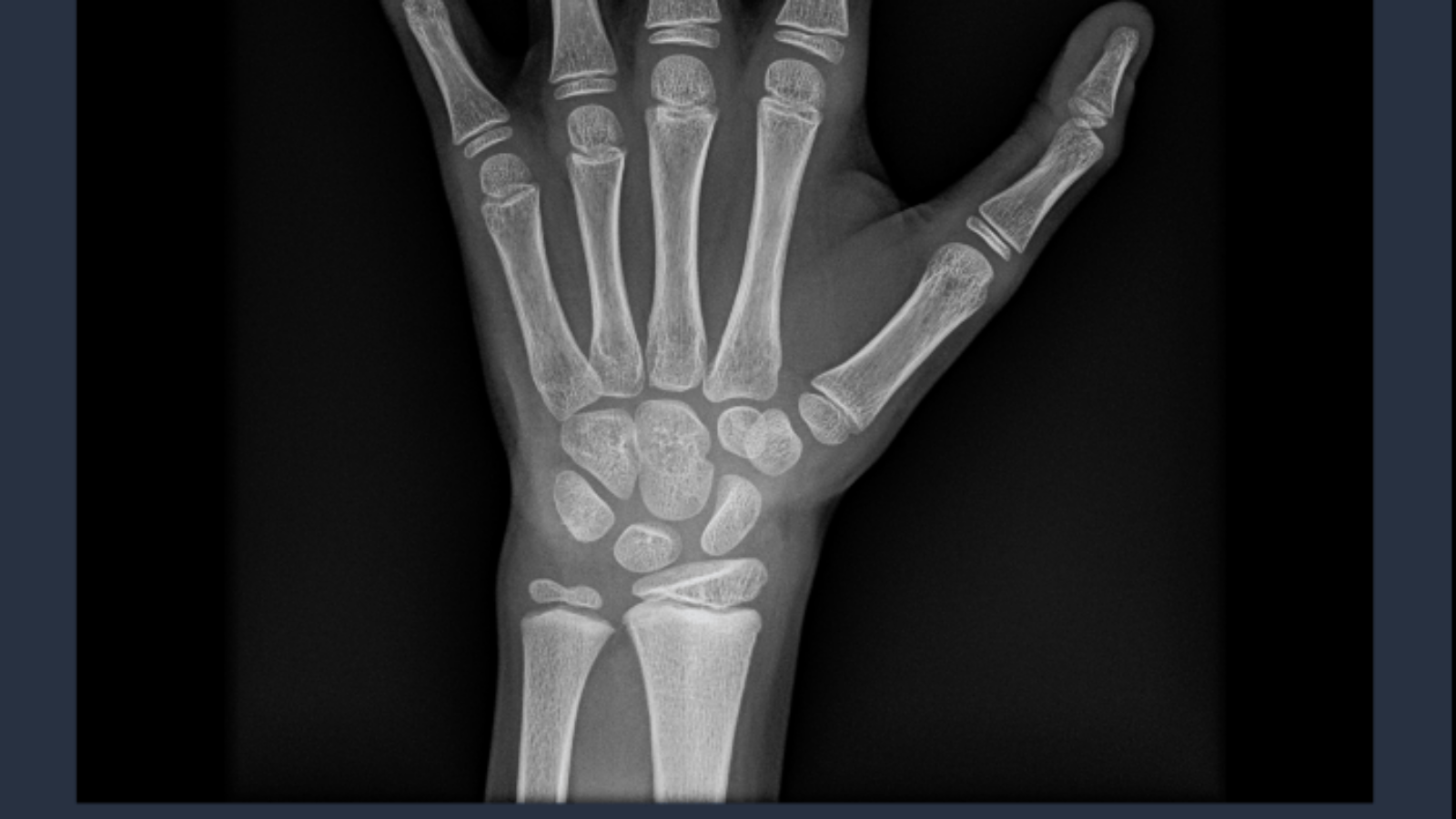
Radiography of the left hand a.p. of a male with the chronological age of nine years and three months. BoneView Bone Age calculates bone age using the Greulich & Pyle atlas method as seven years and ten months, standard deviation 10.74 months.

Bone age determination is one of the indispensable domains of radiology. At the same time, it places high demands on the clear description of the measured values.

It is with great pleasure that we present BoneView Bone Age, an AI assistant for pediatric bone age determination using hand radiographs.

Why BoneView Bone Age matters and how it works

BoneView Bone Age is an AI assitant for pediatric bone age determination according to the Greulich & Pyle atlas method for the age group from three to 17 years. The chronological age is compared with the AI ​​measurement data. In addition, the standard deviation is given in months.

Any medical professional anywhere in the world can request bone age analysis at any time by quickly and easily uploading hand radiographs to Radailogy. BoneView Bone Age offers the convenience and efficiency to simplify radiology workflows.

Who benefits

Patients, clinicians, and radiologists with accurate bone age diagnosis.

Our own experience at Radailogy

Any medical professional anywhere in the world can request bone age analysis at any time by quickly and easily uploading radiographs of the hand to Radailogy.

We found that BoneView Bone Age estimates are accurate and reasonably support our own radiological findings. We observed a very satisfactory inter- and intravariability with the integration of BoneView Bone Age.

The AI assistant is currently not suitable for determining bone age from the age of 18 and we are waiting for the AI ​​to evaluate the sternoclavicular joints with computed tomography.

The scientific evidence

Nguyen T, Pourchot A, Marty V, Ventre J, Regnard NE. Deep learning algorithm to predict Greulich and Pyle bone age. ESPR 2022 (June).

Data to upload to Radailogy

Digital radiography of the hand a.p. for the age group from three to 17 years.

Please upload only one radiography of the hand a.p. for your BoneView Bone Age order and do not combine BoneView Bone Age with another AI assistant within the same order!